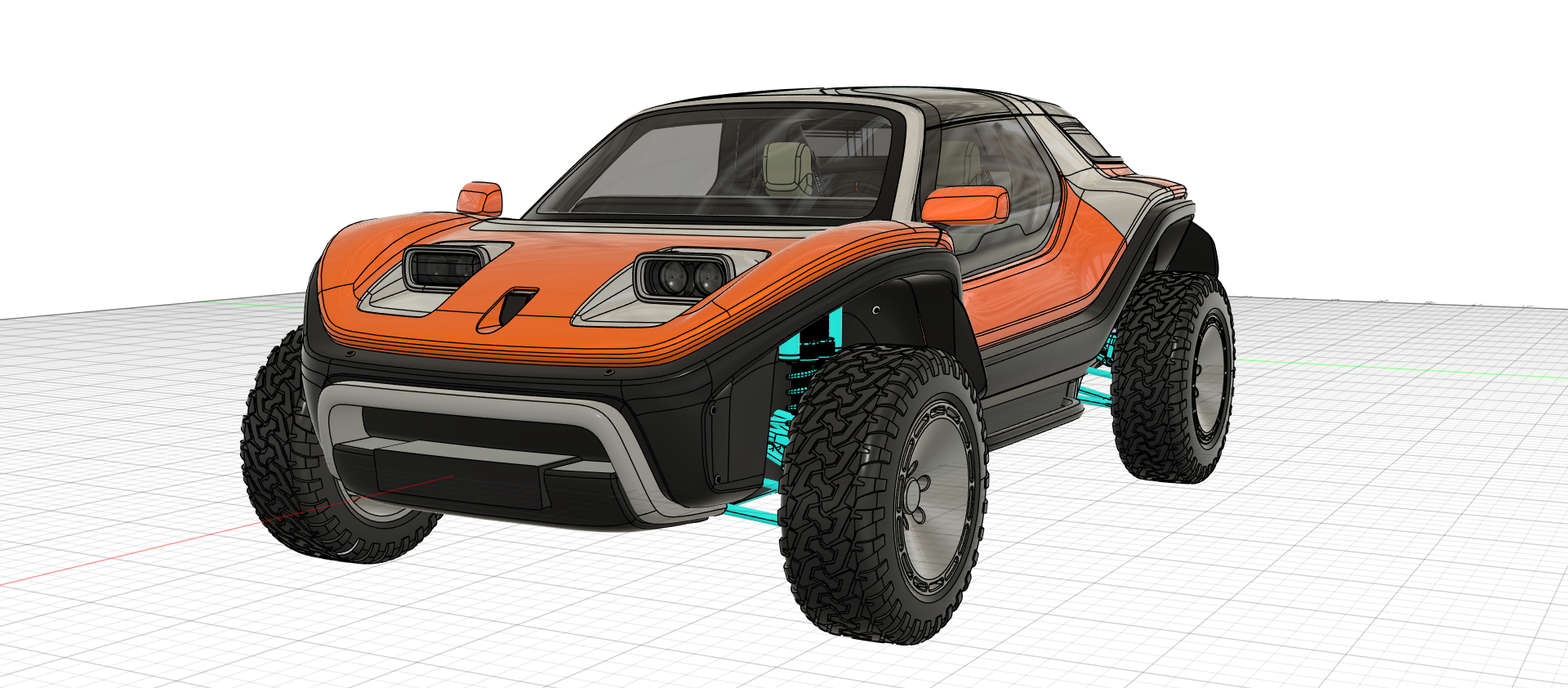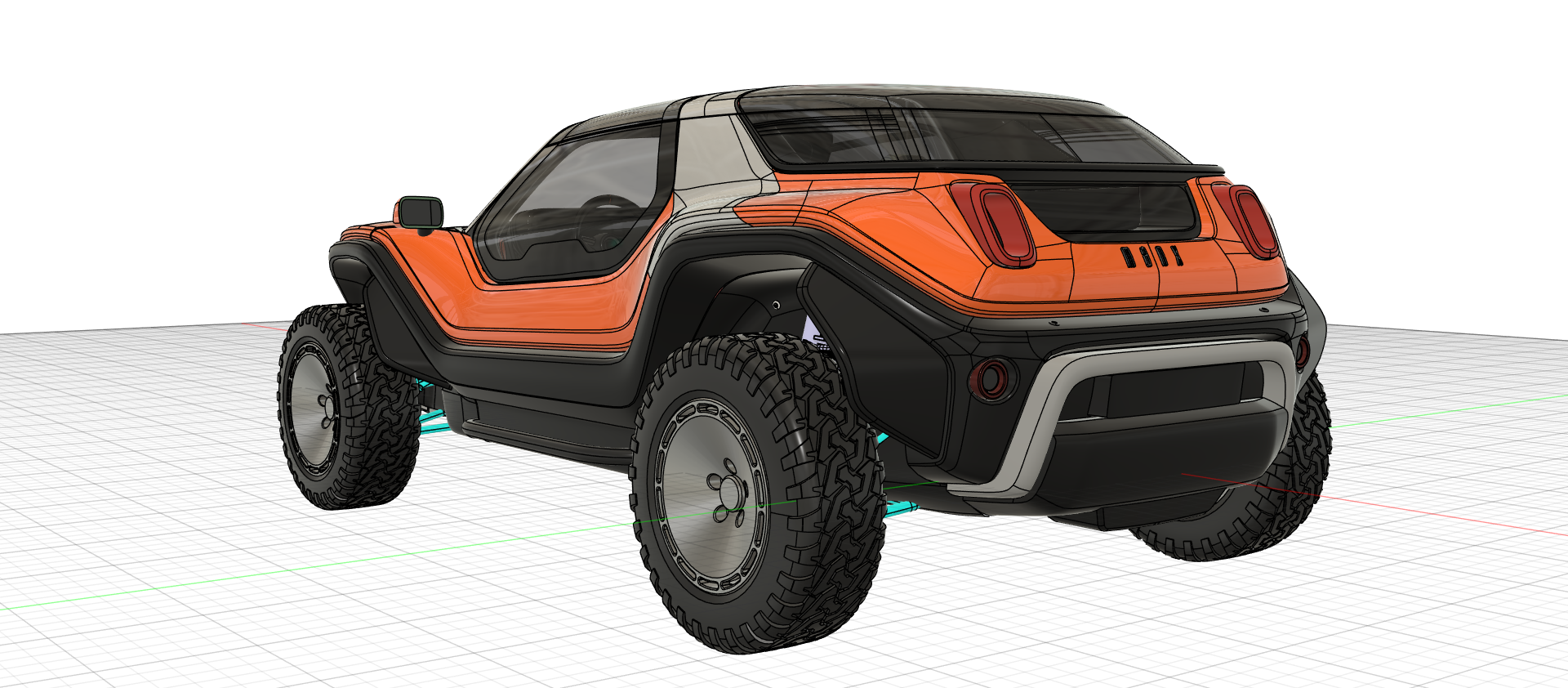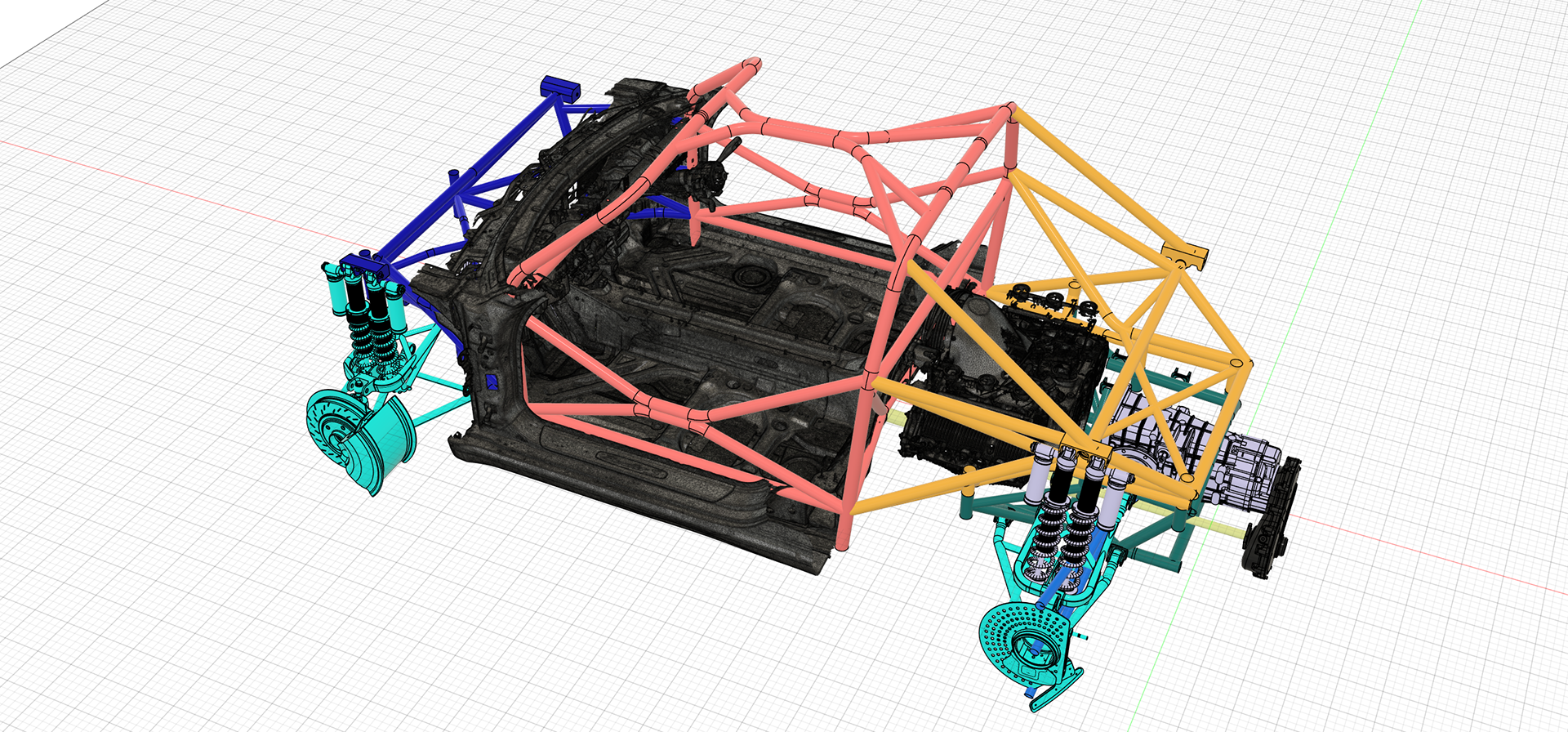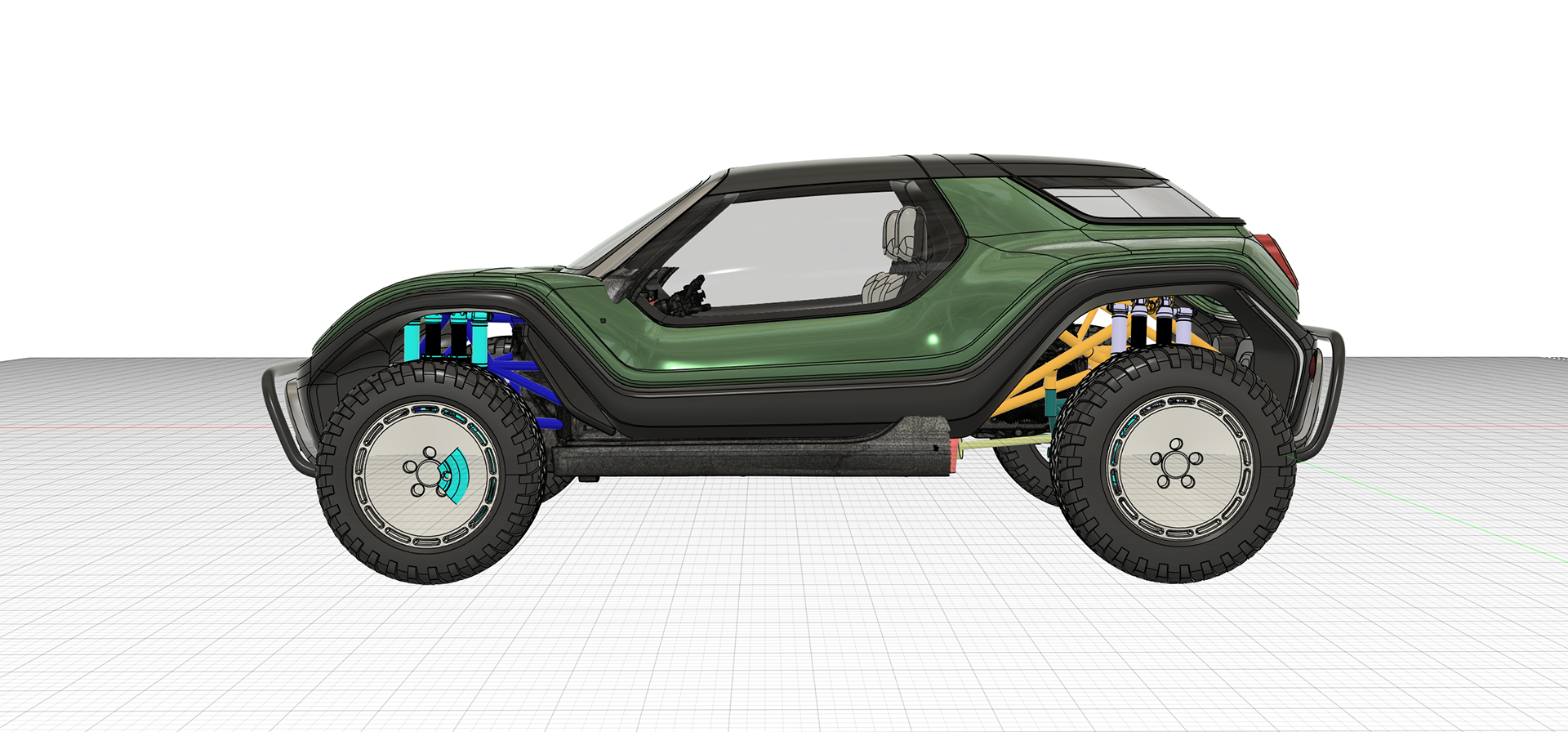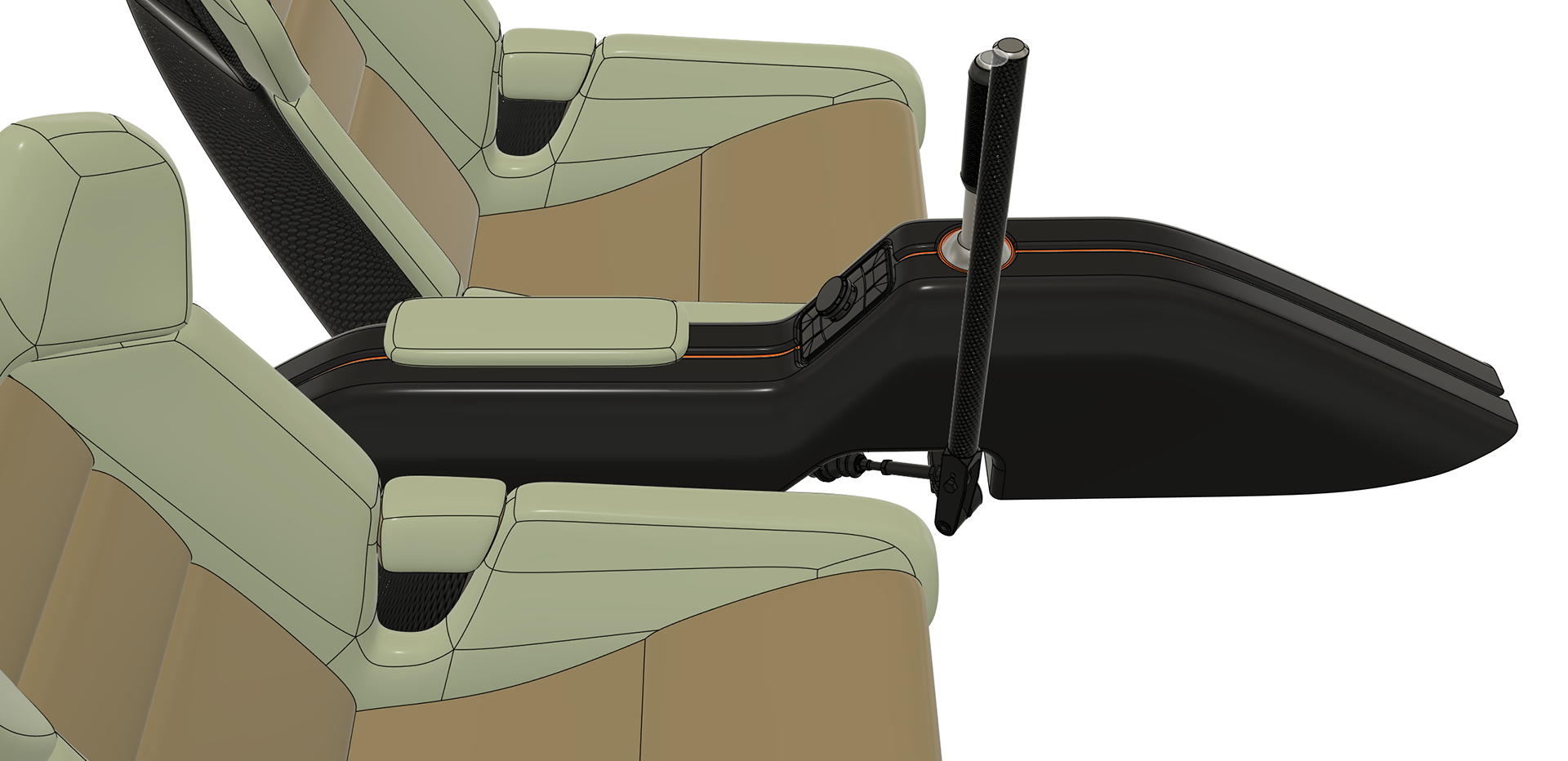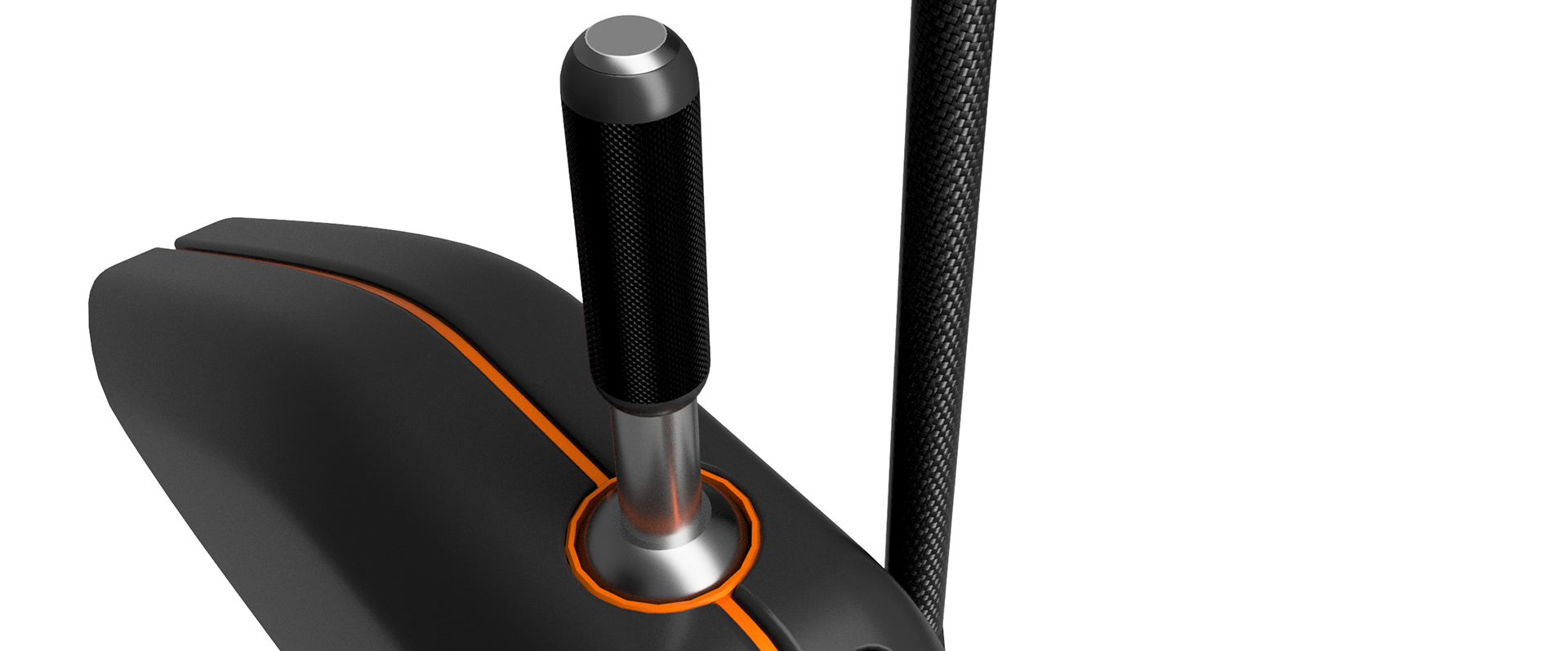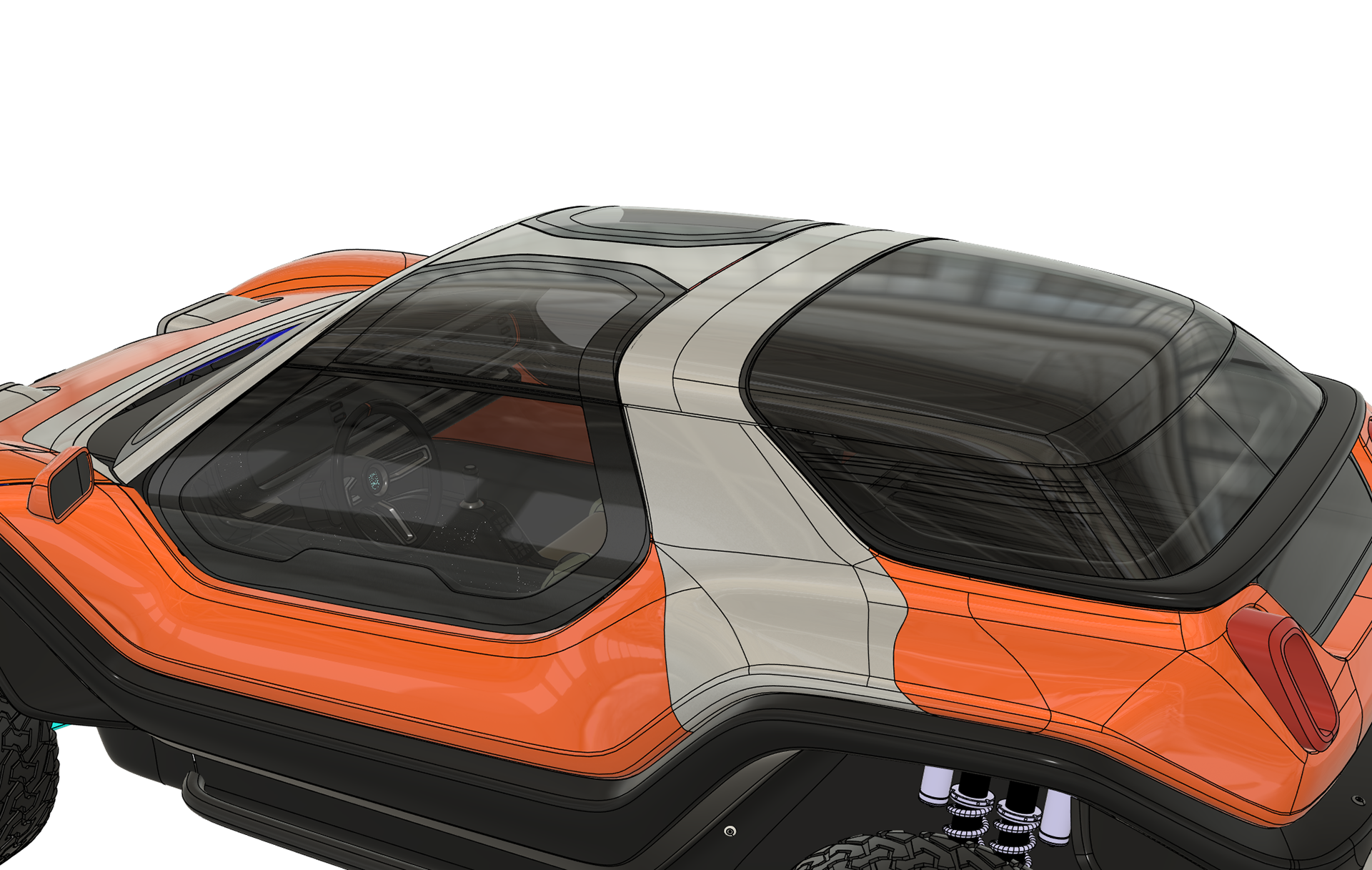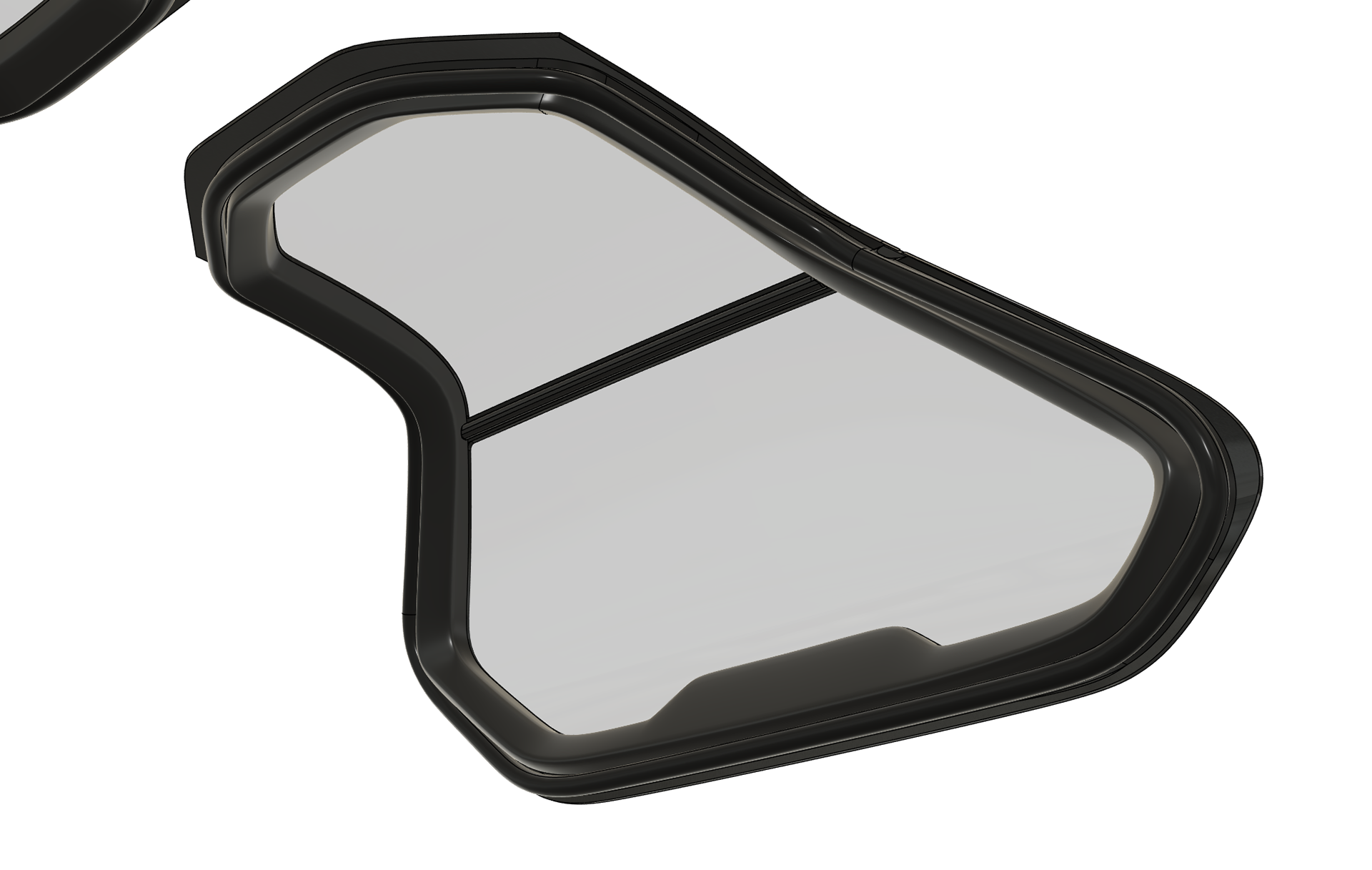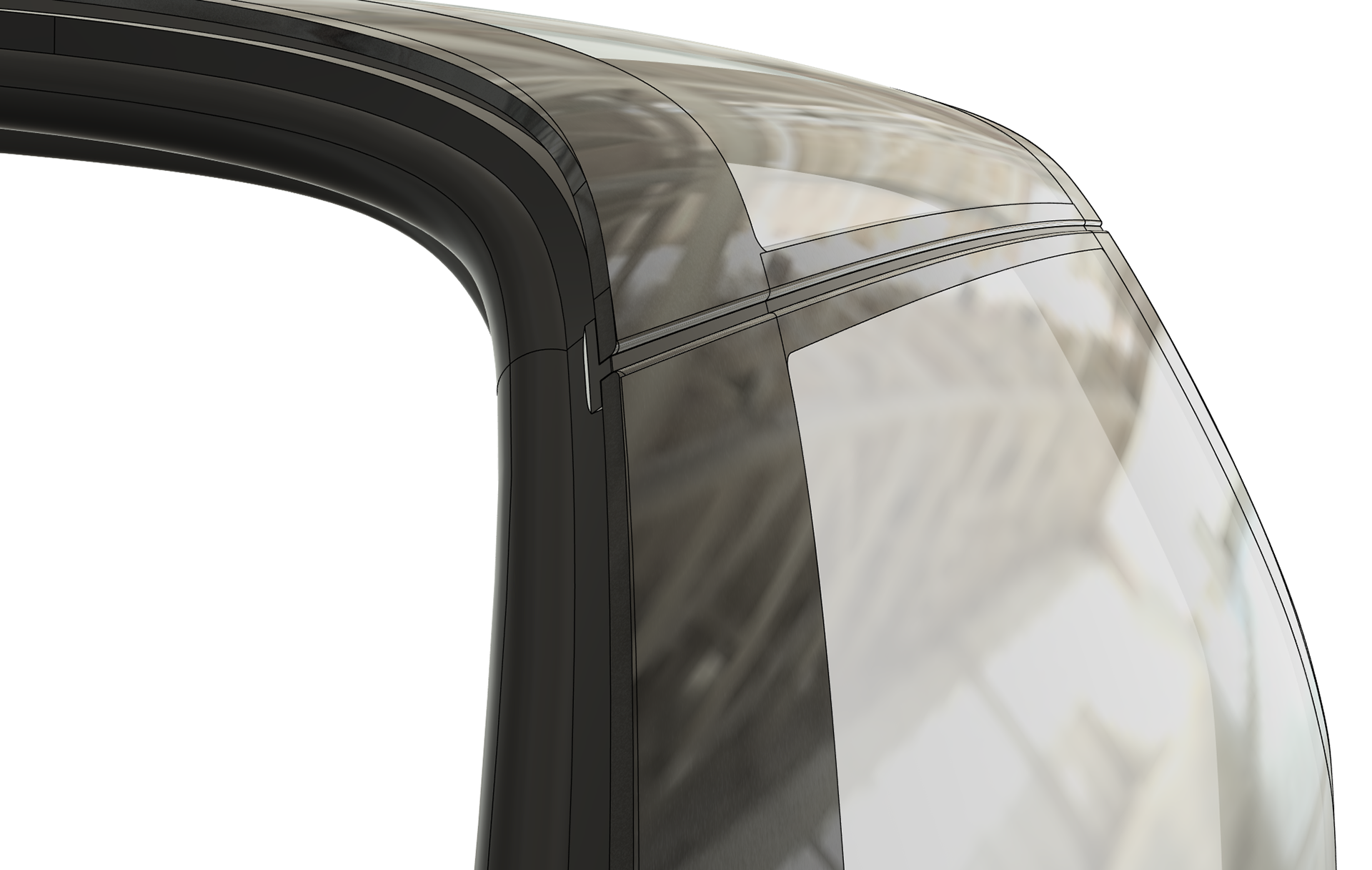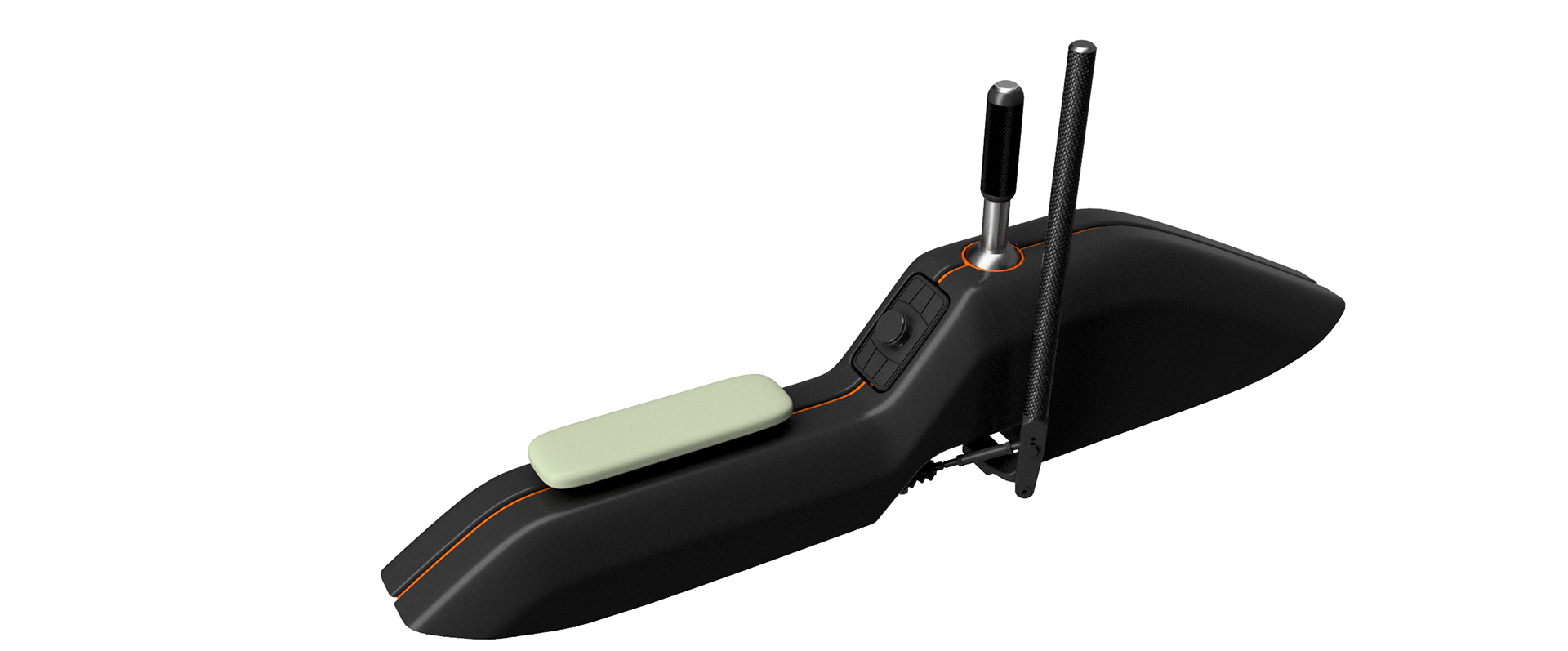
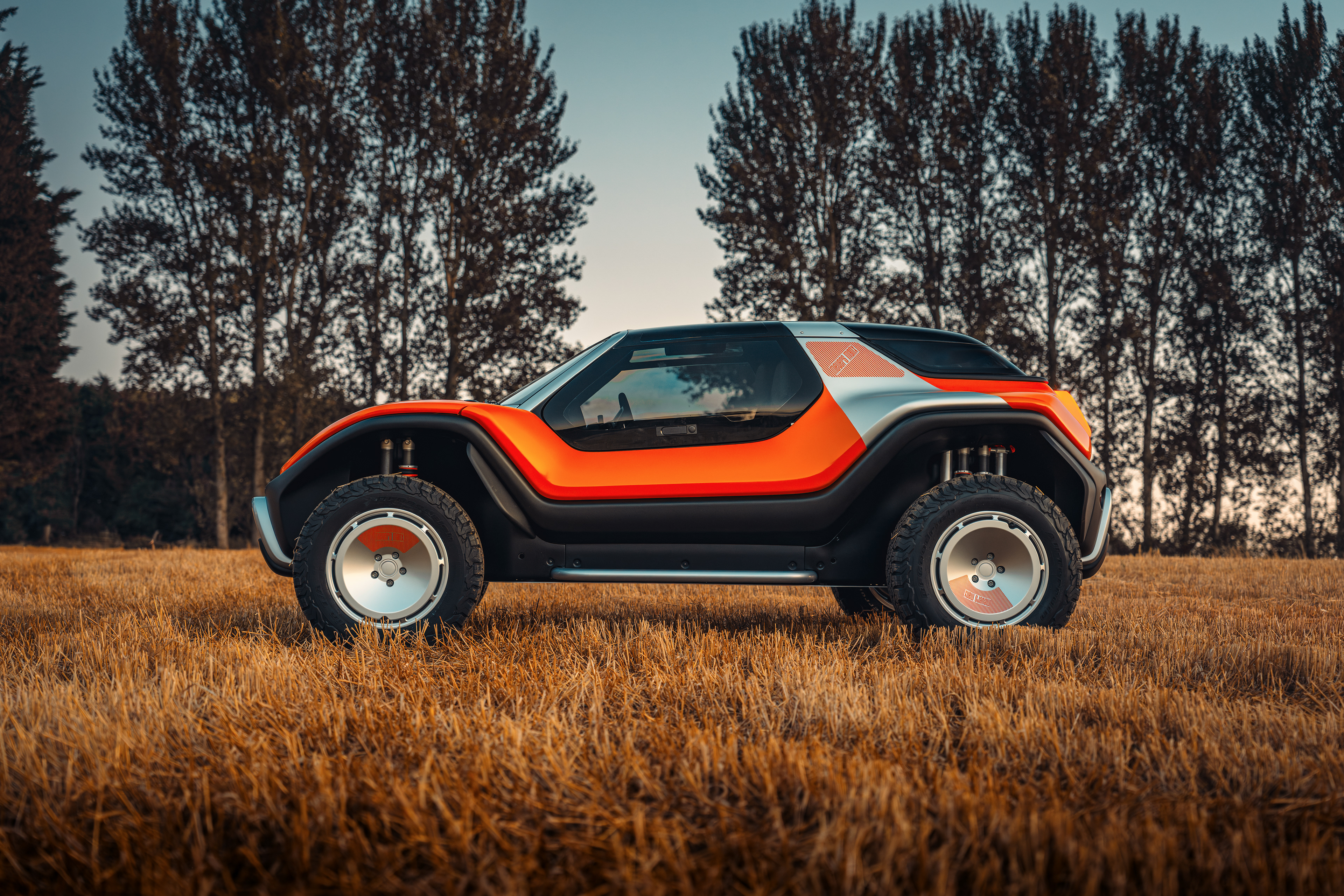
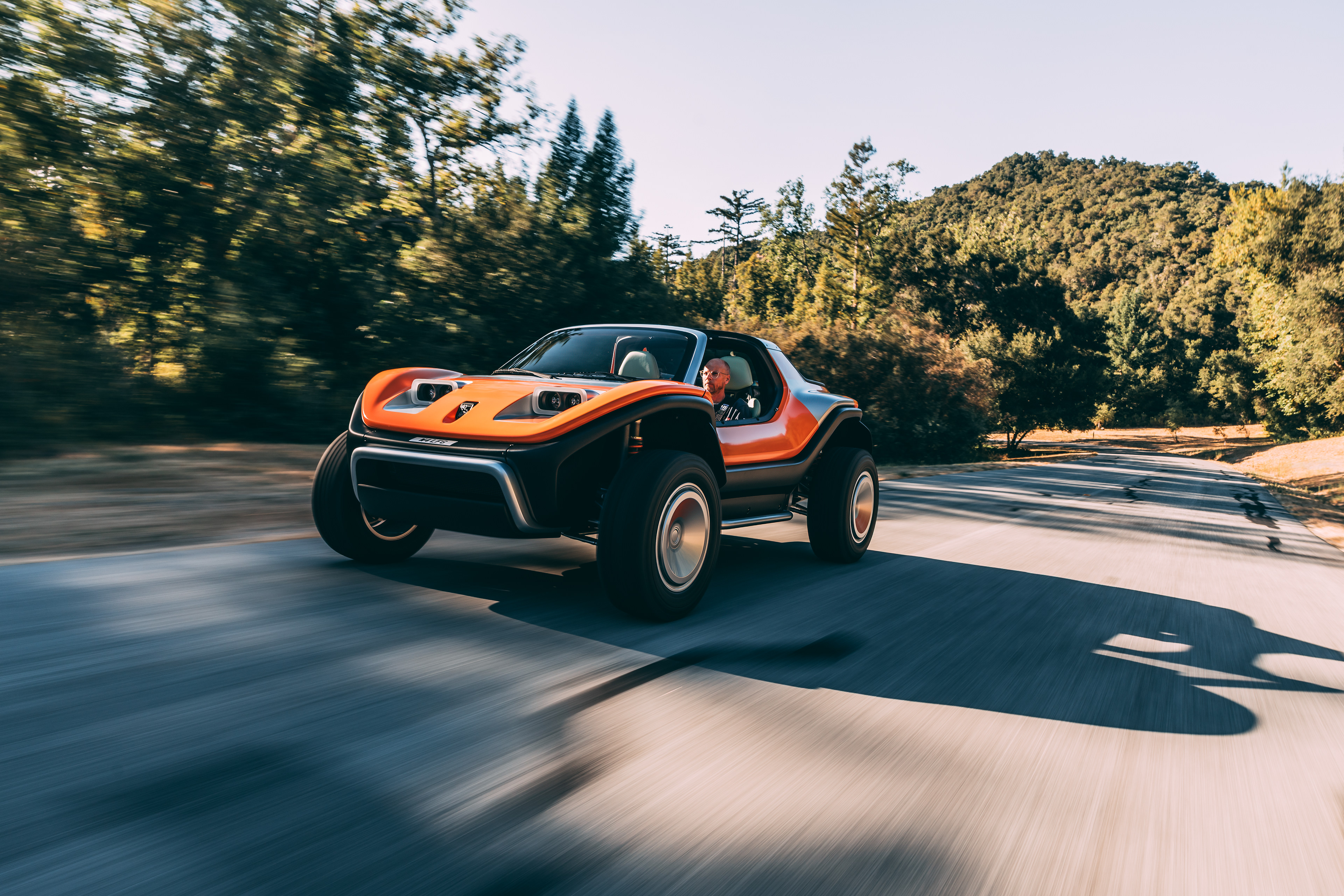
The Meyers Manx / Tuthill LFG represents a new approach to automotive design—developed 100% in mixed reality and taken directly to production. Designed at full scale in AR using Gravity Sketch, the project bypassed clay modeling, traditional CAD workflows, and most sketching. Working live in the studio with Freeman Thomas, we established a faster, more direct pipeline from design intent to a fully drivable vehicle.
The LFG was conceived as the ultimate Porsche-powered off-road hypercar—what we describe as a “hyperbuggy.” It combines the lightweight, open-air freedom of the original Meyers Manx with the performance, precision, and engineering DNA associated with Porsche. The result is a radically simple yet highly capable vehicle, where power-to-weight, driver connection, and terrain versatility define the experience. It’s not about luxury or excess—it’s about purity, speed, and control in its most distilled form.
Following its debut at Monterey Car Week, LFG was presented to investors at UP.Summit as a full-scale digital vehicle in mixed reality, allowing the design to be experienced at true scale in a real environment. The video below captures the model in full scale augmented reality as it appears in a studio-like setting within a local fabrication shop, highlighting the ability to evaluate proportion, surface, and stance in context—well before any physical build.
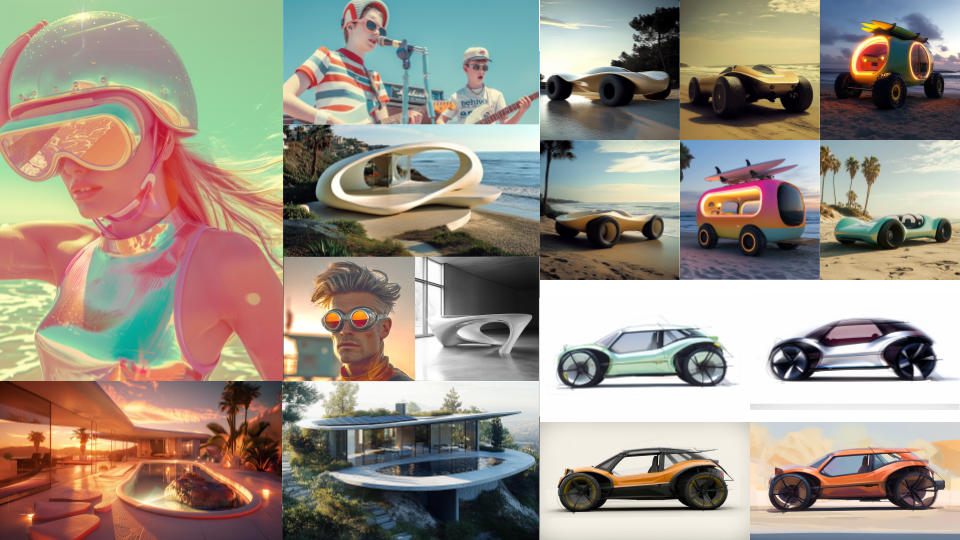
The LFG design process began with AI-driven development of future customer archetypes and aesthetic directions. These insights were paired with explorations of modernist architecture—from Eero Saarinen to Oscar Niemeyer, Richard Neutra, and Charles and Ray Eames—to inform a cohesive visual language. This foundation led to the creation of “California Dream 2035,” a design world that guided the vehicle’s form, proportion, and emotional intent.
Autodesk Fusion 360 was used as the bridge to convert Gravity Sketch sub-D surfaces to Class A NURBS surfaces suitable for a CATIA based engineering pipeline and production tooling, with minimal CAD modeling work.